Be prepared for fast approaching peak leatherjacket season
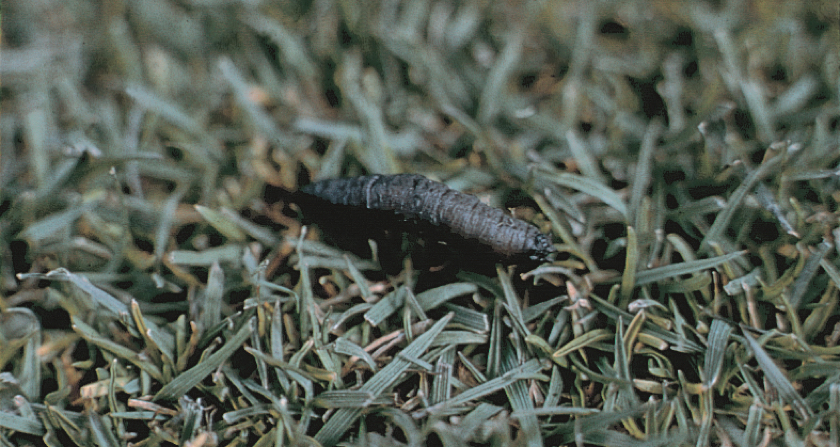
Leatherjackets are especially problematic to golf greens as they feed on the roots of the grass plant, severing the root system, which limits the plants ability to take up water and nutrients, and ultimately can lead to the death of the plant. Dr Colin Mumford from Bayer gives his advice for identifying and controlling the pest.
“There are two main species of crane fly that we find on managed turf in the UK,” says Colin. “The European crane fly which is active from August to late October, only reproducing once a year; and the Common crane fly, which can have up to three generations in the same year.
“Because we have the two different species, we can see new infestations of their larvae (leatherjackets) pretty much all year round.”
Colin explains it has been a good year for the crane fly to breed, with some populations being seen in the spring.
“The dry period we experienced in April and May could have slightly knocked populations as eggs may have dried out and become unviable. But since this dry spell we’ve been seeing good conditions for the pest,” he adds.
What to look out for
“When leatherjackets are present in dry conditions, you’ll start to notice localised die back of the turf leaf tissue. During wet periods, or where irrigation is used, the die back doesn’t generally occur, as readily available water is still accessible by the plants damaged root system,” explains Colin.
“There can also be secondary damage where birds, such as starlings and rooks, peck at the turf to eat the larvae.
“The best way to detect if you have a problem is to actively look for the crane flies, starting in the spring, right through to the late autumn. You can use pheromone traps to get a more definitive measure, but as they are quite easy to see you’ll be able to monitor numbers by just looking.”
How to control leatherjackets
Colin explains there are a limited number of controls for these pests.
“Unfortunately, there aren’t many cultural controls that you can implement to help control leatherjackets, other than limiting irrigation in a bid to dry the eggs out before they hatch.
“Ironically, crane fly are more attracted to healthy turf, so any cultural practices to improve turf health only encourages them.”
He says chemical options are extremely limited, with the vast majority of managed amenity turf unable to legally use the chemistry available.
“Because there’s such limited controls available for this pest, greenkeepers need to start thinking outside the box and utilising new methods. One of these is entomopathogenic nematode applications.”
Nematodes are a biological option that Colin says can offer a more sustainable approach to pest control.
“Bayer’s nematode product, Harmonix Tri-Nema, is unique as it contains three different species of entomopathogenic nematode that all have different roles. The combination makes this nematode trio product more aggressive as they try to outcompete each other to become the dominant species.
“They work by entering the leatherjackets and releasing a bacterium which causes paralysis and will ultimately kill the leatherjacket. This then creates the perfect conditions for the nematode to complete its life cycle. The nematodes offspring then feed on the cadaver and essentially eat their way out of the leatherjacket’s carcass, moving on to find another victim.”
Getting best results
To get the best possible results, Colin recommends monitoring the adult crane fly and applying the nematodes three to four weeks after you start to see a drop in their numbers.
“This will then allow the nematodes to target the leatherjackets when they’re at a young and vulnerable stage,” he says.
“Application timing is crucial when using nematodes. Pick an overcast day when soil temperatures are above 12ºC to apply, as direct sunlight will kill them, and cold temperatures will limit their activity.
“Irrigate the area of application the day before, this will ensure there’s adequate moisture for the nematodes, and it will help them move through the rootzone.
“Make sure to remove all sprayer and nozzle filters, even the one in the lance if using a knapsack sprayer, as this can cause blockages.
“Finally, within 30 minutes of applying the nematodes, turn on the irrigation briefly to lightly wash any nematodes remaining on the turfgrass leaves into the rootzone,” he adds.
In severe situations, he notes the secondary damage from birds eating the larvae could be very problematic, especially on greens and fairways. If this is the case, he suggests implementing bird scaring techniques to protect the turf.
“Leatherjackets can be especially problematic on golf greens causing severe damage to turf, the aesthetics of the golf course and its playability. By implementing a strict control programme that encompasses monitoring and biological controls, golf greens will remain healthy and in good condition,” concludes Colin.