OAS explains how to reduce Thatch for a truer, firmer, and consistent playing surface
One of the most common challenges for groundskeepers is the negative impact a build-up of thatch has on surface performance.
Microbes play a crucial role in turf maintenance, and their activity can have a significant impact on the health and quality of playing surfaces. In this article, Polly Gearing from the microbial arm of Origin Amenity Solutions explains the impact of microbial activity and how it affects turf health including the breakdown of thatch.
Decomposition of Organic Material saves Money.
Excessive thatch build-up is a major barrier to achieving true, firm, and consistent putting surfaces. Microbes, in particular beneficial bacteria and fungi are responsible for the decomposition of dead and decaying organic matter such as thatch. This decomposition process breaks down organic material into simpler compounds to release nutrients essential for plant growth. Without microbial activity, turf would experience nutrient deficiencies and organic material would build up, leading to the development of thatch.
Nutrient Cycling
Microbes are instrumental in nutrient cycling within the soil. They convert complex organic compounds into simple forms that plants can readily absorb. By cycling nutrients, microbes help to maintain a healthy nutrient balance in the soil, supporting vigorous and healthy growth.
Improving plant tolerance to stress
Certain beneficial microbes help to suppress the growth of harmful turf pathogens. These microbes compete with pathogenic organisms for resources, produce antimicrobial compounds, or stimulate the plant’s immune response, thereby reducing the likelihood of disease outbreaks. Incorporating these beneficial microbes into turf management practices can promote more sustainable disease management strategies.
Soil Structure and Aeration
Microbes play a vital role in aiding air and water movement within the soil profile. Some microbes such as bacteria and mycorrhizal fungi, produce substances that function as binding agents, helping to aggregate soil particles and create larger pore spaces. This improves soil drainage, aeration, and root penetration, which contribute to healthier turf growth.
Plant Growth Promotion
Certain microbial species promote plant growth by producing hormones which stimulate root development and increase nutrient uptake. Microbes can solubilise minerals making them more available to plants. These microbes contribute to enhanced turf vigour, increased sward density, and improved stress tolerance.
Reduce Disruption
Working with soil biology can reduce physical practices. While aeration is an essential part of sports turf maintenance, with the microbes hard at work in the soil decomposing thatch, disruption on the surface in the form of more onerous, expensive, and disruptive maintenance can be decreased.
OAS ThatchEater is a proven solution to reduce thatch build-up and improve overall turf health. It utilises a carefully selected blend of beneficial soil fungi and bacteria known for their ability to rapidly degrade thatch and organic material. ThatchEater uses Biofixation technology and this unique product is specifically designed to convert thatch into humus, a valuable soil component.
OAS ThatchEater aids in the promotion of root growth, leading to increased nutrient and water uptake – crucial for the health and sustainability of sports turf. Stronger and deeper root systems result in better overall sward density, contributing to a more aesthetically pleasing and durable playing surface. It releases food for fungi which promotes the growth of desirable fine grasses and leads to high-quality playing surfaces. Additionally, the conversion of thatch to humus through microbial activity helps to release locked-up nutrients into the soil.
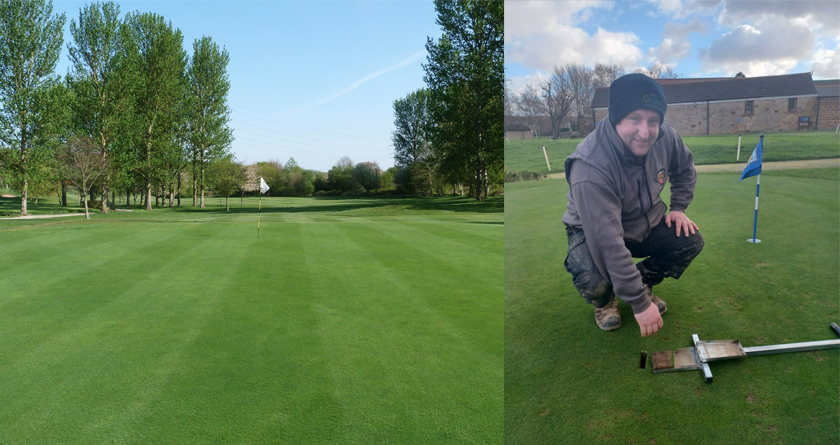
“After an in-depth look under the surface, high levels of thatch were the obvious reason for poor turf health. I was keen to get the biology doing its thing! After our first season of using ThatchEater and Compost Teas, the difference was amazing. We went from high levels of tight thatch to a reduced amount, with it being a lot easier to pull apart and less dense. The condition of our greens improved and the surfaces already looked better health-wise. We continued using ThatchEater in the second year and again with visible results and improved turf health”. Mark Hudson, Wath Golf Club
“When I took over, the greens had over 50mm of dense yellow thatch with black layer below and were rarely in play during winter. We trialled ThatchEater on one green and saw such positive results in one season that we rolled it out to all greens the following year. It has played a huge part in improving our surfaces to allow for year-round play and along with Compost Tea has increased bent grass composition whilst lowering fertiliser inputs.” Stuart Mason, Padeswood and Buckley Golf Club.
For further advice call 0800 137 7222 or email sales@originamenity.com